Gesture and Transformation
Printmaking has remained one of the foundational languages of the practice for many years — not only as a fine art discipline in itself, but as a way of observing texture, gesture, layering, repetition, and transformation across materials. Developed through work in studios and workshops in Massachusetts, Vermont, Florence, and beyond, the process moves fluidly between monotypes, experimental surface work, textile development, mixed media, and works on paper. Rather than functioning separately from fashion or spatial design, printmaking operates here as an interconnected system through which images, fabrics, garments, interiors, and installations gradually emerge from shared visual and material research.
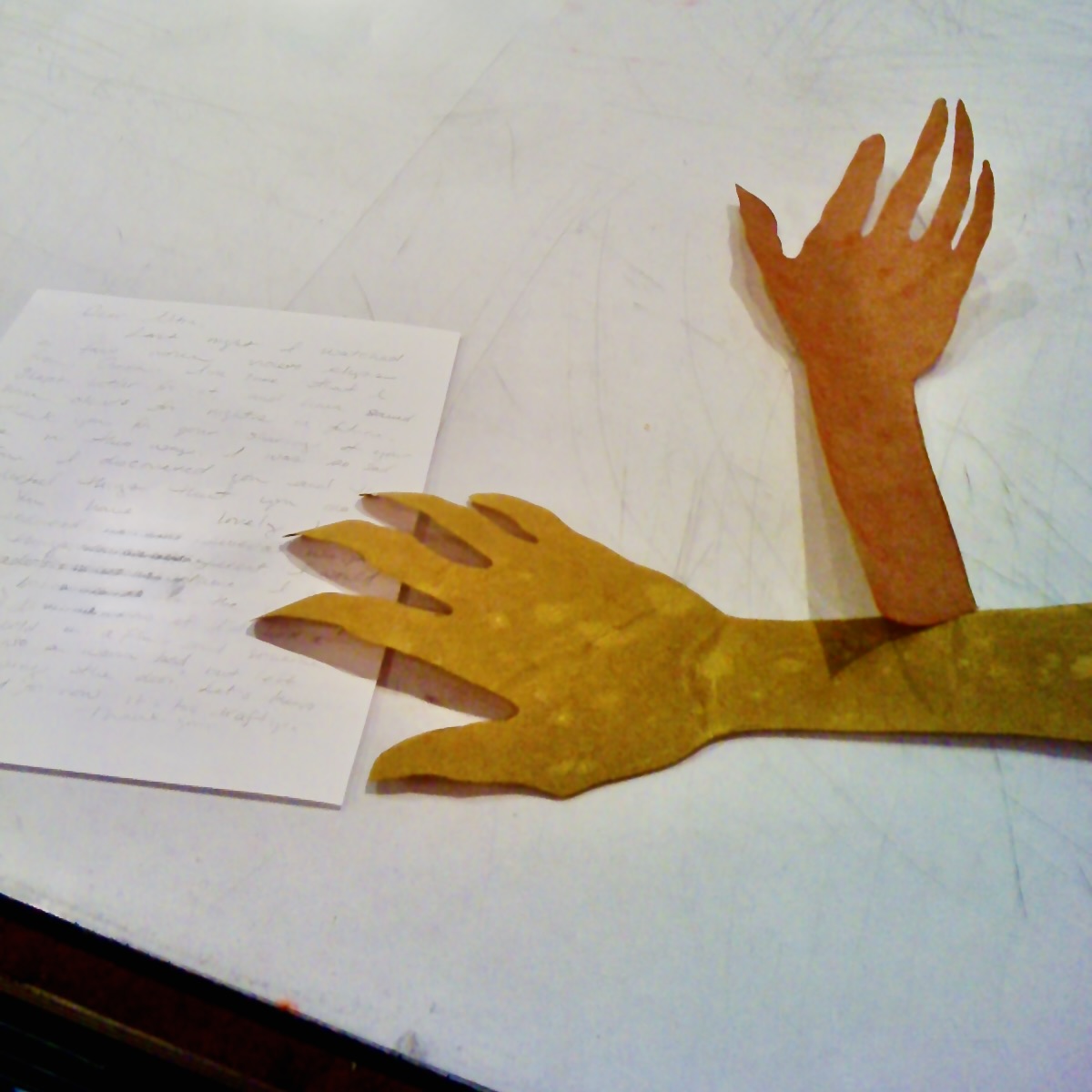
The works presented throughout this section reflect an approach rooted as much in process as in final composition. Ink, pressure, transfer, erosion, repetition, and chance become active collaborators within the making of each piece, allowing textures and forms to evolve organically through direct physical engagement with material. Many of these visual investigations later reappear within garments, textiles, interiors, and larger environmental works, carrying traces of the original printing process into other disciplines. Together, the works form an evolving archive of experimentation, atmosphere, and material memory developed across years of continuous studio practice.
Printmaking
Printmaking has long served as one of the foundational languages within the broader MYA ROYAL practice. Long before many of these images became garments, textiles, or collections, they existed first as works on paper: layered impressions shaped through gesture, transfer, repetition, and direct physical contact between material and surface.
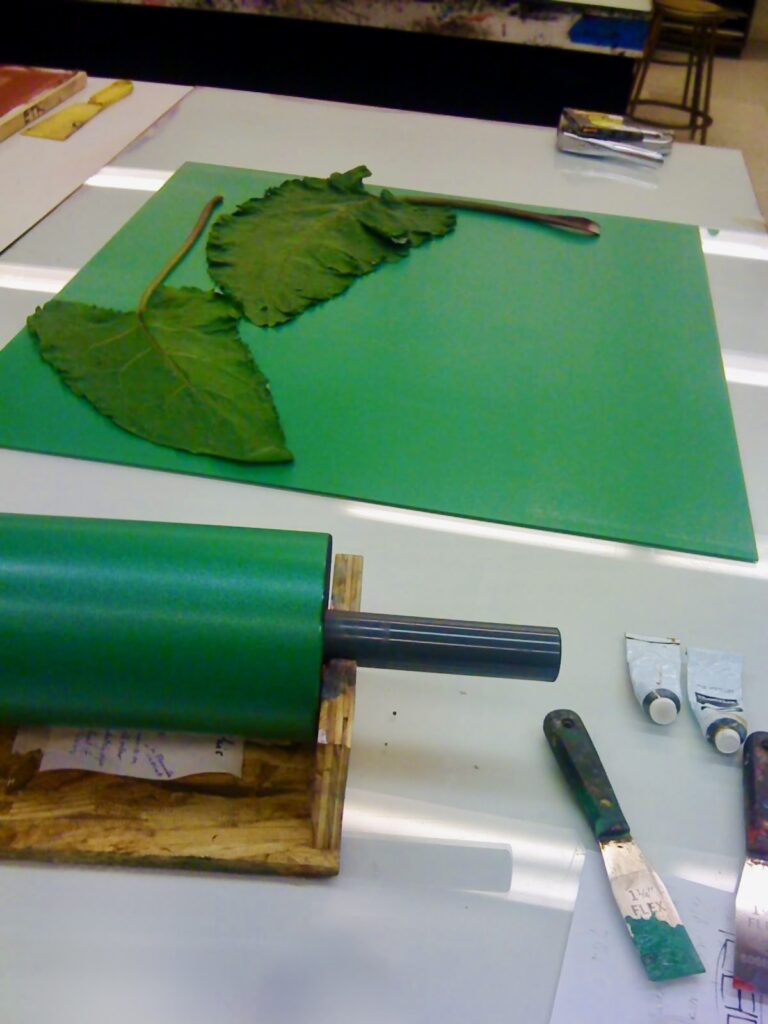
The process began early through linocut tools and supplies introduced during childhood, later developing into a sustained focus on monotype printmaking throughout secondary school and undergraduate study. Many of the works were created using hand-cut stencils traced directly from live models, plants, flowers, and organic forms, preserving the veins, contours, and irregularities of the original subjects within the printed image itself. The resulting compositions move between figuration and abstraction, often exploring the relationship between the body, memory, movement, and natural structure.
Following university study, the practice continued within collaborative printmaking studios in Boston, Cambridge, Burlington, and Florence while simultaneously evolving alongside graduate work in fashion design. During this period, exhibitions, installations, and independent projects developed in parallel with garment construction and textile experimentation, allowing printmaking to become not only a fine art discipline, but also a material foundation for later fashion collections.
Over time, these original monotypes began migrating from paper into fabric. Through digital photography and textile imaging processes, selected works were adapted into sublimation prints for garments, eventually becoming part of the visual language of the iñi collection and various couture textile developments. In this way, printmaking remains an active and ongoing component of the studio practice — not separate from the garments, but embedded directly within their surfaces, textures, and construction.
Translation Into Textile & Fashion
Over time, the printmaking process gradually expanded beyond paper and entered directly into the construction of garments and textiles. Rather than treating surface design as decoration applied after the fact, the printed image became integrated into the structural and emotional language of the clothing itself. Monotypes, photographic transfers, layered textures, botanical impressions, and hand-generated imagery began informing silhouettes, fabric development, and material experimentation across both couture and ready-to-wear work.
Within couture, printed elements were often incorporated selectively through custom fabrics, layered transparencies, appliqué, textile manipulation, or digitally adapted imagery developed directly from original fine art prints. In parallel, advances in digital textile printing and sublimation technology made it possible to translate these works onto performance fabrics and contemporary garment systems without abandoning the visual complexity and tactile qualities of the original pieces.
This evolution eventually became foundational to the development of the iñi collection, where many garments originate from adapted monotypes, experimental photographs, botanical studies, and archival works on paper created over many years of studio practice. Through this process, printmaking ceased to function merely as a separate artistic discipline and instead became embedded within the broader language of movement, clothing, identity, and lived experience.
Ongoing Practice
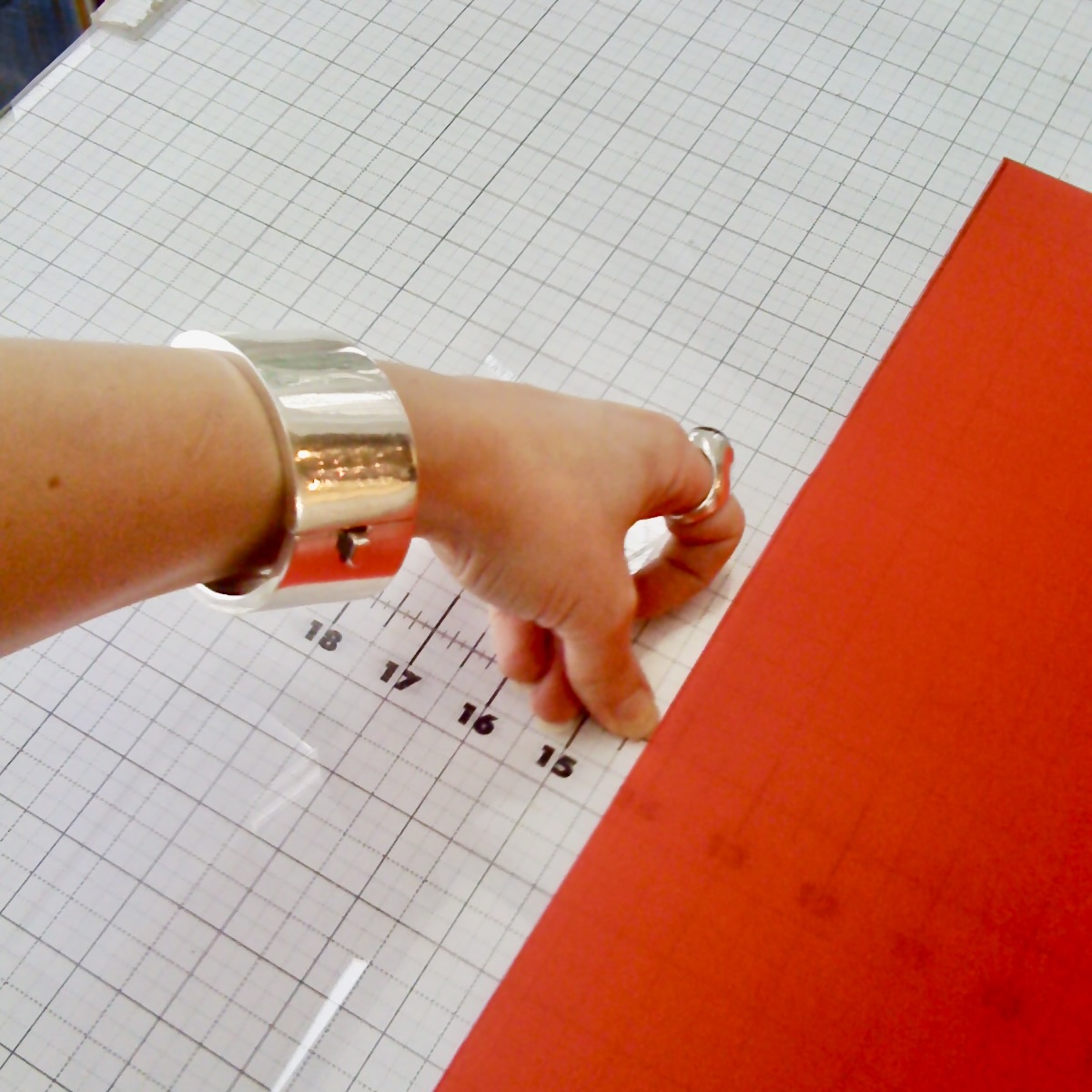
Printmaking continues to remain an active part of the studio practice today, existing alongside couture, textiles, ceramics, photography, and cultural projects as part of a continuously evolving multidisciplinary process. While the techniques, materials, and technologies surrounding the work have expanded over time, the underlying approach remains rooted in physical experimentation, direct material engagement, and the relationship between hand, surface, and impression.
The studio continues to produce works on paper, textile studies, experimental surfaces, and image-based material research developed through both traditional and contemporary processes. Older works frequently reappear in new forms: archival prints become garments, botanical studies evolve into textiles, fragments of past installations return within new collections, and imagery created decades earlier continues to circulate through new material contexts.
Rather than functioning as a fixed archive or completed body of work, the printmaking practice operates more like an ongoing visual ecosystem — one in which images, materials, garments, objects, and environments continue transforming over long periods of time. The result is a body of work shaped not by singular collections or isolated exhibitions, but by continuity, accumulation, experimentation, and sustained creative life across multiple disciplines and locations.